
Showing posts with label choices. Show all posts
Showing posts with label choices. Show all posts
Thursday, September 12, 2013

Saturday, January 26, 2013

Friday, January 25, 2013
Wednesday, December 19, 2012
Be the leader
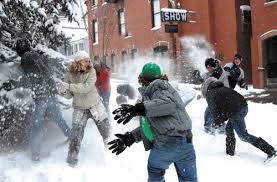
Setting a healthy example involves mothers and fathers who can encourage children to leave the couch
.
What’s happening to our kids that makes them quit wanting to play?
http://www.letsmove.gov/learn-facts/epidemic-childhood-obesity
Getting children to be more physically active seems as if it should be so simple. Do you play with your children? When is the last time you threw the Frisbee played catch, had a snowball fight, played tag, raced around the block, had a pillow fight, wrestled, arm wrestled, challenged each other with a yoga pose, or weight lifting. Even your teens will enjoy these activities. You could enroll them in classes and programs during school or afterward that are filled with games, sports and other activities.
i
As parents we need to be role models, make it a lifestyle, teach it not just preach it. Be the mentor, be the instigator, keep it lifelong.
.
What’s happening to our kids that makes them quit wanting to play?
http://www.letsmove.gov/learn-facts/epidemic-childhood-obesity
Getting children to be more physically active seems as if it should be so simple. Do you play with your children? When is the last time you threw the Frisbee played catch, had a snowball fight, played tag, raced around the block, had a pillow fight, wrestled, arm wrestled, challenged each other with a yoga pose, or weight lifting. Even your teens will enjoy these activities. You could enroll them in classes and programs during school or afterward that are filled with games, sports and other activities.
i
As parents we need to be role models, make it a lifestyle, teach it not just preach it. Be the mentor, be the instigator, keep it lifelong.
Tuesday, December 18, 2012


Wednesday, November 21, 2012
How Healthy is Your Holiday Meal?
With the holidays being upon us in no time this is a good time to remind heart patients of being acutely aware of the sodium content in foods. The holiday meal contributes to many heart patients having increased symptoms of high blood pressure, congestive heart failure, fluid retention, shortness of breath. The holiday meals can be the culprit. Traditional foods like the turkey are often injected with approximately 8% solution sodium to enhance moistness and flavor. If you read the ingredients you will often note: turkey broth, salt, sodium phosphates, sugar & flavoring. Then many a cook will soak the already salt injected turkey in a brine solution or salt it well, prior to cooking. The turkey alone gets many into trouble, then you add pre-packaged stuffing, broth, or use canned mushroom soups in casseroles. Did I mention the relish tray with pickled foods? 

A little extra salt in or on your holiday foods makes a difference.
1 teaspoon salt = 2131 mg sodium 1/2 teaspoon salt = 1066 mg sodium
1/4 teaspoon salt = 533 mg sodium 1/8 teaspoon salt = 266 mg sodium
75 mg—the average sodium content of 3 ounces fresh, unsalted beef, turkey, chicken, pork
240 mg sodium in 3 ounces self-basting frozen turkey, cooked (that’s without the gravy!)
580 mg sodium in 3 ounces frozen fully cooked baked turkey
820 mg sodium in 3 ounces honey baked ham
Bread is a major sodium contributor if you eat more than a couple of pieces a day unless you buy special low sodium bread. A slice (1 ounce) of loaf bread has 150 to 200 mg sodium—not including salted butter or other spreads or toppings. Consider using a bread maker to make a low sodium recipe.
Skip the gravy! But if you must go for low or reduced sodium gravy instead of regular salted gravy which has more than 300 mg sodium for 1/4 cup. 
Measurements and labels of sodium
- 1/4 teaspoon salt= 600 mg sodium
- 1/2 teaspoon salt= 1,200 mg sodium
- 3/4 teaspoon salt=1,800 mg sodium
- 1 teaspoon salt= 2,300 mg sodium
- 1 teaspoon baking soda =1,000 mg sodium
- Sodium-free: Less than 5 milligrams of sodium per serving
- Very low-sodium: 35 milligrams or less per serving
- Low-sodium: Less than 140 milligrams per serving
- Reduced sodium: Sodium level reduced by 25%
- Unsalted, no salt added, or without added salt: Made without the salt that's normally used, but still contains the sodium that's a natural part of the food itself.
Names for salt
- sodium alginate
- sodium ascorbate
- sodium bicarbonate (baking soda)
- sodium benzoate
- sodium caseinate
- sodium chloride
- sodium citrate
- sodium hydroxide
- sodium saccharin
- sodium stearoyl lactylate
- sodium sulfite
- disodium phosphate
- monosodium glutamate (MSG)
- trisodium phosphate
- Na
Some drugs contain high amounts of sodium.
Need an antacid after that holiday meal? Watch out there is excess sodium there too. Carefully read the labels on all over-the-counter drugs. Look at the ingredient list and warning statement to see if the product has sodium. A statement of sodium content must be on labels of antacids that have 5 mg or more per dosage unit (tablet, teaspoon, etc.). Some companies are now producing low-sodium over-the-counter products. If in doubt, ask your healthcare practitioner or pharmacist if the drug is OK for you.
How Sodium causes fluid retention
The job of the kidneys is to filter the excess sodium into the urine so that the body can get rid of it. Many with heart disease and diabetes kidneys cannot handle all the extra work. The kidneys become less efficient at filtering the blood stream. This causes excess sodium to enter the bloodstream. Sodium attracts water to it and effect known as being osmotic. Water follows the sodium and is drawn into the bloodstream. Excessive salt keeps the circulatory volume higher than it should be, creating and increased pressure in the blood stream and pressing on the blood vessel walls. The stress of the pressure on the walls creates thickening and narrowing of the vessel, leaving less space for the fluid in the blood vessels and raising resistance. The body then requires higher pressure to move blood to the organs. The heart has to pump against this high pressure system.
I equate it to trying to blow up one of those kids balloons that is turned into animal shapes. They are really tough to blow air into, your cheeks get really sore - this is the resistance of air, similar to the resistance pressure of blood in the arteries. If you stretch the balloon (relax the arteries) then there is less resistance in blowing up the balloon (filling the artery with blood). Twenty percent of the blood pumped from the heart goes first to the kidneys. High blood pressure within the kidneys cause damage to the heart and to the vascular system in the kidneys. Salt makes you thirsty so limit salty foods, especially if on a fluid restriction.
I once had a patient who lost 45 lbs simply from adhering to low sodium diet. He had a very weak heart with only 10% ejection fraction meaning very limited pumping ability. So a weak heart and sodium in the diet made him retain fluid more than most. He began to measure and count sodium with every meal for a few months and was shocked by how much sodium he consumed even though he thought he ate pretty healthy. By reading labels, doing the math every day and making changes such as eating out less, ordering special, reviewing his medication he lost the fluid and added years to his life, not to mention the improved quality of life with less shortness of breath and fatigue by easing the workload of the heart. 
According to the American Heart Association, eating more than the recommended 1500 milligrams a day puts you at direct risk of high blood pressure. Yet in America we consume an average of 3400 milligrams a day; more than twice what we should. While people with hypertension, heart and kidney disease are always advised by doctors to eat less salt, the AHA wants all of us to do this, whether or not our blood pressure is currently in the normal range. So if you are cooking or know the cook for pass this info on! 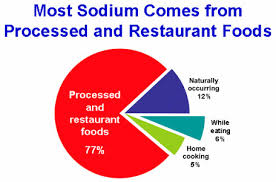
Tuesday, November 6, 2012
Fitness for Aging
Fitness as we age
It is important to work on physical fitness life long.
Physical fitness benefits include reduction of heart disease, reduction in Alzheimer’s and most importantly independence. A recent study showed Finnish men who lost more than 15% of their cardiorespiratory fitness over a 10-year period faced a near doubling of their risk of acute MI over the subsequent decade and more than twice the risk of dying of any cause, a new study shows. But as we age fitness programs change. It isn’t realistic to ask the very elderly to jog, participate in spinning classes, hit the elliptical or rowing machine like those who are younger. The issues with mobility and frailty prevent such activities for most. So what does one do for fitness as they age?
Walking, stationary biking, water aerobics, swimming laps with a kick board, recumbent bike or recumbent steppers are some of my favorite means of obtaining aerobic exercise. Also programs such as Sit and Be Fit. http://www.sitandbefit.org/ Any is exercise is better than no exercise. If exercise is done in a group or a class you also get the additional benefits of socialization. As we age socialization is vital. The more socially isolated a person becomes the worse the predictors for health. I found over the years many adhered to light continuous aerobic exercise because of the socialization of the classes more than the physical benefits of the exercise. New interns would come aboard and roll their eyes when they noted the workloads of many of the elderly, then I would point out the ages of many of my clients being in upper 80′s to mid 90′s and regularly attending classes 2-3 times per week, aerobically exercising, resistance training, stretching and socializing.
Resistance training is very important as we age as well as I am frequently promoting the following:
Your Strength is your Independence
This is what allows you to live in your own home, to care for yourself, to get up off the floor if you fall, to carry in the groceries. It is your ability to cope with emergencies, to interact with the grandkids by walking up the bleachers, or across the soccer field, to lift up the two-year old, to get to their musicals across a long parking lot, to walk the hills at the nature center etc.
Here are a few simple strengthening exercise that most can perform. Wall squat
 Wall Squats
With feet 8-12 inches apart and approximately 6 inches from the wall, slide down the wall a few inches. Hold this position as long as able. Push back up to standing. Repeat as many times as possible. Don’t go down to far, and if you fear not being able to stand all the way back up, keep a chair next to you for assistance. Breath out as you push back up.

Toe Raises
This exercise is surprisingly hard for many of the elderly to perform. Go up on tip toes and back down as many times as possible. To make harder try on a stair step or try doing on only one leg.
 Wall push ups
Just like the old-fashioned push up but do against a wall. Breath out as you are pushing yourself back from the wall. Exhale on Exertion! I say this because many hold their breath which is hard on the heart and blood pressure.
Lateral leg exercises
These are really important for maintaining a good gait when we walk as we get older. Lying on side – do in bed – as easier than getting up from the floor. Lift leg out and back down. Do as many as possible.

Be a mentor, assist to make it happen
As most blog readers tend to be younger, pass this advice on to your elders, work out with them, purchase and arrange for transportation to fitness classes, make a big deal out of wanting them to stay fit and healthy to participate in life with you. We all need encouragement at times. Don’t assume being old means sitting in the recliner all day. Keep those in your live vital through physical activity. And have a great day!
Sunday, November 4, 2012

Monday, October 29, 2012

Thursday, October 25, 2012

Tuesday, October 16, 2012

Thursday, September 27, 2012
Urgent need for Physical Activity
The chief cause of obesity is physical inactivity, which is rapidly spreading from North America to the rest of the world. About 31% of the world’s adults, or about 1.5 billion people, are almost completely sedentary, meaning that they do not meet the minimum recommendation of 150 minutes of walking or other moderate activity per week, or about 20 minutes a day.
Teenagers are faring even worse. More than 80 percent of young people ages 13 to 15 worldwide are not getting the hour a day of vigorous exercise recommended for their age group.
Unsurprisingly, North America leads the world in not exercising, with 43.3 percent of Americans not reaching the low recommended threshold. But the world is catching up or, rather, joining us in sitting down. More than 34 percent of Europeans are inactive, 30 percent of Russians, ditto in the Middle East, and about 27 percent of Africans are sedentary.
Those of us that want to exercise regularly must realize that we are working against cultural forces. Stay focused on the best way to live for yourself.
Teenagers are faring even worse. More than 80 percent of young people ages 13 to 15 worldwide are not getting the hour a day of vigorous exercise recommended for their age group.
Unsurprisingly, North America leads the world in not exercising, with 43.3 percent of Americans not reaching the low recommended threshold. But the world is catching up or, rather, joining us in sitting down. More than 34 percent of Europeans are inactive, 30 percent of Russians, ditto in the Middle East, and about 27 percent of Africans are sedentary.
Those of us that want to exercise regularly must realize that we are working against cultural forces. Stay focused on the best way to live for yourself.
Wednesday, September 26, 2012
How balanced is your life?

No one expects you to be perfect other than yourself. As often heard we are our own worse critic. However when you reflect on your family think about the wellness wheel. If you were to assess your family how much do you give to each of these domains. For many their wheel isn't round as they devote more time and energy to certain areas such as work, then tend to neglect things like the physical and emotional health. How balanced is your wheel?
Does your family devote time to physical exercise? Do you address the emotional components? A great time to do this is at a family meal. Discuss the struggles, the challenges incurred during the day.
"Wellness is first and foremost a choice to assume responsibility for the quality of your life. It begins with a conscious decision to shape a healthy lifestyle. Wellness is a mindset, a predisposition to adopt a series of key principles in varied life areas that lead to high levels of well-being and life satisfaction.
A consequence of this focus is that a wellness mindset will protect you against temptations to blame someone else, make excuses, shirk accountability, or collapse in the face of adversity.

Saturday, September 22, 2012
I found this today while on web. It is interesting. I certainly hope that we can add more local fresh fruits and vegetables into our lunches. I also question why a starch with the example of pizza, one wouldn't need another serving of a starch, especially if the vegetable was a starchy vegetable. Why can't we offer choices between milk and/or water? Of course not bottled water use a paper cup and pitcher or cooler and have it self serve.
This infographic by GOOD shows the difference between a prison lunch and a school lunch. Both are roughly the same cost (just over $2.60) and contain about the same amount of calories (around 1400). But surprisingly, prisoners get more items to eat and healthier options, with 1/2 cup of vegetables and one serving of fruit or dessert, compared to the school children’s 1/2 cup of vegetables or fruit.
via PSFK: http://www.psfk.com/2012/09/prison-or-school-lunch-healthier.html#ixzz27E3NH8LK
Friday, September 21, 2012
Creative Sweet Treats: Healthy Snack Ideas
Kids come home from school and they are starving, they are looking for food. My middle schooler eat's his lunch at 10:45. They want something fast. If you suggest fruit, it gets boring, and doesn't appeal after they have been watching their friend eat prepackaged unhealthy snacks delivered in the classroom or packed in lunches. So mix it up on occasion try making one of these. You are still getting healthy food, plus that little extra so the family feels they are getting something special.
 Frozen Banana Bites
 Chocolate Kiwi Popsicle
 Blueberries covered in honey greek yogurt and frozen. Great healthy snack to have around when craving sweets.
 Yogurt Bites
I have found Pintrest to be very helpful and encourage the family to pick the snacks they would like to have for the week. It was my compromise after hearing for months "Why can't I have Lunchables?"
Here's the link these pics came from, they are all easy, quick to prepare ahead of time, and go over well with the family.
Frozen Banana Bites Chocolate Kiwi Popsicle Blueberries covered in honey greek yogurt and frozen. Great healthy snack to have around when craving sweets.Yogurt BitesI have found Pintrest to be very helpful and encourage the family to pick the snacks they would like to have for the week. It was my compromise after hearing for months "Why can't I have Lunchables?"
Here's the link these pics came from, they are all easy, quick to prepare ahead of time, and go over well with the family.
Wednesday, September 19, 2012
How does your family strength train?
What does your family do to Strength Train?
Many don't incorporate strength training into their fitness routine. Children may be physical with playing soccer, basketball etc.but may not get strength training. By building muscle strength you improve the metabolism, making you less likely to gain excess weight, strengthens the bones, makes you less prone to injury.When children are very young working with heavy weights in the past was discouraged. The thought on this is that is could hurt the growth plates of the bones, and stunt growth therefore working with heavy weights was discouraged.Research however has disproved this, and it is now recommended everyone participate in some form of strength training.
Most people think of strength training as working with weights.
In fact, the ideal weight-training program for many children need not involve weights at all. “The body doesn’t know the difference between a weight machine, a medicine ball, an elastic band and your own body weight,” Tree climbing is a favorite in our home, as is a great arm workout.Plank, lunges, push ups, chair arm dips, yoga poses such as powerful pose, boat pose, are ways of building strength without weights. If you do choose weights, start light get 3,5,7,10 lb. weights. Focus on learning technique and endurance, then gradually increase the load.
Don't confuse strength training with weightlifting, bodybuilding or powerlifting. These activities are largely driven by competition, with participants vying to lift heavier weights or build bigger muscles than those of other athletes. This can put too much strain on young muscles, tendons and areas of cartilage that haven't yet turned to bone (growth plates) — especially when proper technique is sacrificed in favor of lifting larger amounts of weight.
Tuesday, September 18, 2012
How much sodium should my family have?
We hear often in the US we consume too much salt. Recommendations on daily intake have changed over the years. On average most adults and children consume approximately 3400 milligrams of sodium each day. This is approximately three times the daily recommended allowance. The guidelines on sodium intake are as follows:
- 1000 mg for children aged 1 to 3
- 1200 mg for children aged 4 to 8
- 1500 mg for people aged 9 to 50
- 1300 mg for adults aged 51 to 70
- 1200 mg for seniors aged 70+
| ||||||||||||||||||||||||||||||||||||||||||||||||||||||||||||||||||||||||||||||||||||||||||||||||||||||||
Monday, September 10, 2012
Sugar and school lunches
Whether you pack a lunch or you purchase school lunch consider the amount of sugar you are getting with each serving. This is a great visual display of sugar content in foods. Also the revamped school lunch program. I want to go back to school to see if it really looks like this. I sure hope so, and I hope it comes from local farms.

Sugar is the number one cause for diabetes and obesity in our youth today.

Sugar is the number one cause for diabetes and obesity in our youth today.
Subscribe to:
Posts (Atom)